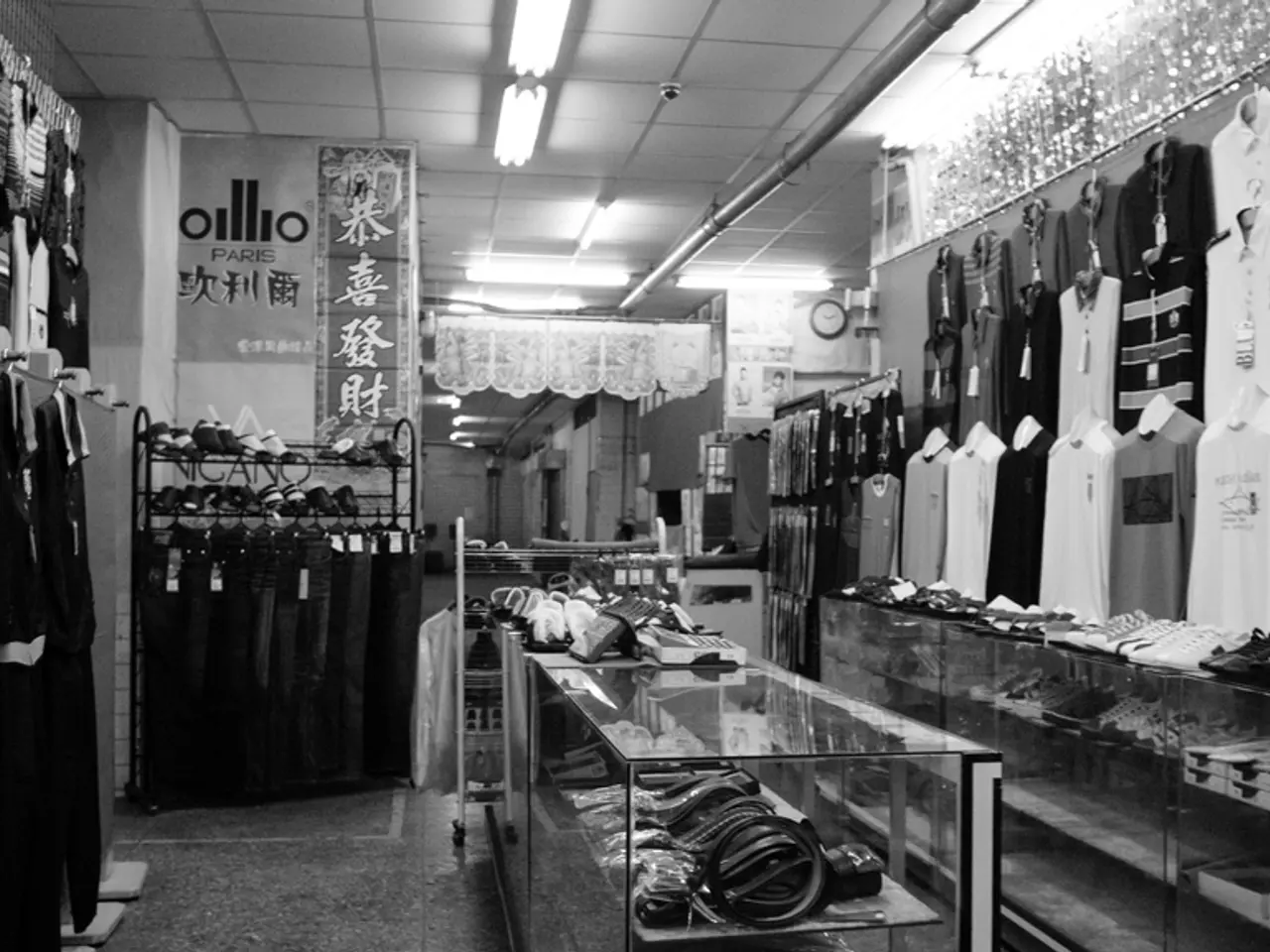
Rapid Expansion of disposable clothing trends and its repercussions
Fast fashion, known for its rapid production and high consumption, has a significant impact on the environment. The industry contributes to water pollution, chemical use, textile waste, and greenhouse gas emissions, making it one of the most polluting sectors globally.
However, the tide is starting to turn. Consumers are becoming more aware of the environmental and social impacts of fast fashion and are demanding change. A culture of disposable clothing is being replaced with a focus on sustainability and ethical practices.
Leading brands are stepping up to the challenge. Gucci, Chanel, H&M, Zara, and many others have pledged specific, transparent emissions reduction targets, known as carbon commitments. For instance, H&M aims to cut absolute greenhouse gas emissions by 56% by 2030 versus 2019, and is transitioning suppliers to renewable energy sources.
Companies are also focusing on circularity and waste reduction. SHEIN, for example, is advancing waste-less innovations, including rescuing deadstock materials, increasing textile recycling, and developing circular supply chains with the goal of full textile circularity by 2050. Initiatives like recovering fabric scraps for recycling and promoting resale platforms like SHEIN Exchange for pre-loved items are becoming commonplace.
Technology is playing a crucial role in this transformation. Fashion brands are using virtual garment design, digital twins, and AI to minimize material waste and overproduction, cutting emissions associated with physical sampling and returns. This technological shift supports supply chain efficiency and lowers landfill volumes.
Transparency and ethical labor practices are also becoming non-negotiable. Brands are being asked to openly disclose supply chain details, such as sourcing, labor conditions, wages, and chemical usage, to avoid greenwashing and ensure ethical production. Some brands include QR codes and certifications to authenticate claims. Ethical production improvements address worker safety and fair pay.
The use of eco-friendly materials and local sourcing is another key strategy. Organic cotton, hemp, recycled fibers, and plant-based alternatives like mushroom leather are being used to reduce environmental impact. Supporting local, artisanal production lowers carbon footprints and promotes fair labor. Brands also emphasize timeless designs to encourage less frequent purchasing.
Together, these strategies represent a multi-pronged industry response to the environmental and social harms of fast fashion. They combine ambitious climate targets, technological advances, circular economy principles, and enhanced accountability to workers and consumers.
The future of fast fashion will likely involve a shift towards more circular business models that prioritize recycling and reusing materials. Consumers can play a significant role in this shift by embracing minimalism and focusing on quality over quantity. Sustainable alternatives to fast fashion include buying from ethical and eco-friendly brands, shopping second-hand or vintage, investing in high-quality, timeless pieces, and supporting local artisans and small businesses.
By making conscious purchasing decisions, consumers can help ensure that the fast fashion industry moves towards a more sustainable and ethical future.
- To combat the environmental impacts of fast fashion, consumers are promoting a culture shift, transitioning from the culture of disposable clothing to a focus on sustainability and ethical practices within the fashion-and-beauty industry.
- Leading brands in the business sector, such as Gucci, Chanel, H&M, Zara, and others, have acknowledged the challenge and made carbon commitments, aiming to reduce greenhouse gas emissions and transition suppliers to renewable energy sources.
- Companies, like SHEIN, are implementing waste-less innovations, working towards full textile circularity by 2050, with initiatives like fabric scrap recovery, textile recycling, and developing circular supply chains.
- Technology, such as virtual garment design, digital twins, and AI, is being utilized to minimize material waste and overproduction, supporting supply chain efficiency and lowering landfill volumes in the personal-growth and education-and-self-development sectors.
- In terms of transparency and ethical labor practices, brands are disclosing supply chain details like sourcing, labor conditions, wages, and chemical usage, while some brands utilize QR codes and certifications to authenticate claims and ensure ethical production.
- To contribute to a sustainable and ethical future for fast fashion, consumers can make conscious purchasing decisions, embracing minimalism, and focusing on quality over quantity by buying from ethical and eco-friendly brands, shopping second-hand or vintage, investing in high-quality, timeless pieces, and supporting local artisans and small businesses.